

AI Logistics Trends: Transformations in Logistics Software
The logistics industry is evolving at a breakneck pace. Technology is no longer a luxury but a necessity. Among the most transformative forces reshaping logistics software today is artificial intelligence (AI). We see AI not just as a tool but as a game-changer that redefines how carriers, brokers, and shippers operate. From optimizing routes to predicting demand, AI is weaving intelligence into every thread of the logistics fabric.
Exploring AI Logistics Trends Shaping the Industry
AI logistics trends are more than buzzwords; they are practical shifts that improve efficiency and reduce costs. One of the most visible trends is the use of machine learning algorithms to analyze vast amounts of data. This helps companies forecast demand, optimize inventory, and streamline delivery schedules. For example, AI can predict peak shipping times and adjust resources accordingly, preventing bottlenecks before they happen.
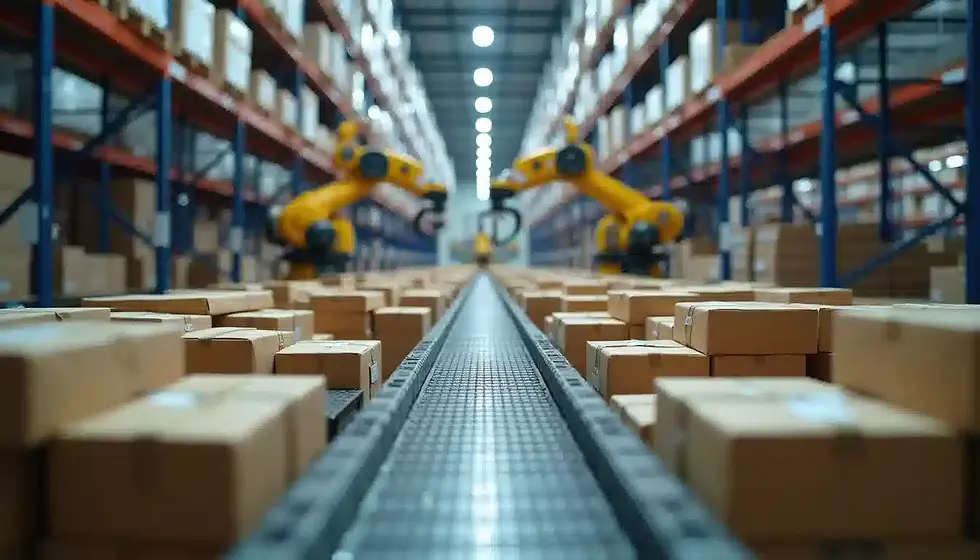
Another trend is automation in warehouse management. Robots and AI-powered systems work side by side to pick, pack, and sort goods faster and with fewer errors. This reduces human fatigue and increases throughput. Additionally, AI-driven predictive maintenance alerts fleet managers about potential vehicle issues, minimizing downtime and costly repairs.
We also see AI enhancing customer experience through real-time tracking and personalized communication. Customers no longer have to guess when their shipment will arrive. AI-powered chatbots provide instant updates and handle inquiries 24/7, freeing human agents for more complex tasks.
What are the 7 C's of logistics?
Understanding the 7 C's of logistics is crucial for grasping how AI can enhance each aspect. These principles guide the smooth flow of goods from origin to destination:
Customer - Meeting customer expectations with timely and accurate deliveries.
Cost - Managing expenses to maintain profitability.
Capacity - Ensuring adequate resources to handle shipment volumes.
Consistency - Delivering reliable service every time.
Control - Monitoring and managing logistics processes effectively.
Communication - Keeping all stakeholders informed and aligned.
Convenience - Making the logistics process seamless for all parties involved.
AI technologies directly impact these areas by improving forecasting accuracy, automating routine tasks, and enhancing communication channels. For instance, AI can analyze customer behavior to tailor delivery options, improving convenience and satisfaction.
How AI Enhances Decision-Making in Logistics
Decision-making in logistics often involves juggling multiple variables under tight deadlines. AI simplifies this complexity by providing actionable insights. Through data analytics and pattern recognition, AI identifies trends that humans might miss.
Consider route optimization. Traditional methods rely on static maps and historical data. AI, however, integrates real-time traffic, weather conditions, and vehicle status to suggest the most efficient routes dynamically. This reduces fuel consumption and delivery times.
Inventory management also benefits. AI forecasts demand fluctuations with high precision, helping avoid overstocking or stockouts. This balance reduces storage costs and improves cash flow.
Moreover, AI supports risk management by predicting potential disruptions such as delays or equipment failures. Early warnings allow logistics managers to implement contingency plans swiftly.

Practical Steps to Integrate AI in Your Logistics Software
Adopting AI in logistics software requires a strategic approach. Here are actionable recommendations to get started:
Assess Your Current Systems - Identify areas where AI can add value, such as route planning, inventory control, or customer service.
Choose Scalable Solutions - Opt for AI tools that can grow with your business and integrate smoothly with existing software.
Invest in Data Quality - AI thrives on clean, accurate data. Establish processes to collect and maintain high-quality data.
Train Your Team - Equip your staff with the skills to use AI tools effectively and interpret their outputs.
Start Small and Iterate - Pilot AI projects in specific areas before scaling up. Use feedback to refine and improve.
Monitor Performance - Continuously track AI’s impact on key metrics like delivery times, costs, and customer satisfaction.
Stay Updated - AI technology evolves rapidly. Keep abreast of new developments to maintain a competitive edge.
By following these steps, logistics companies can harness AI’s power without overwhelming their operations.
The Future of Logistics Software with AI
Looking ahead, the role of AI in logistics software will only deepen. We anticipate more sophisticated predictive models that not only react to current conditions but also anticipate future scenarios with remarkable accuracy. This proactive approach will transform logistics from a reactive industry to a predictive one.
Integration with other emerging technologies like the Internet of Things (IoT) and blockchain will create a more transparent and connected supply chain. For example, IoT sensors can feed real-time data into AI systems, enhancing visibility and control.
Furthermore, AI will drive sustainability efforts by optimizing routes and loads to reduce carbon footprints. This aligns with growing environmental regulations and customer demand for greener logistics.
In this evolving landscape, flexibility and adaptability will be key. Logistics software that embraces AI will empower carriers, brokers, and shippers to stay ahead of challenges and seize new opportunities.
We encourage everyone in the logistics field to explore how ai in logistics software can be a catalyst for transformation. The journey may be complex, but the rewards are well worth the effort.
By embracing AI, we are not just improving logistics software; we are redefining the future of transportation management. Together, we can build smarter, faster, and more resilient supply chains that meet the demands of tomorrow.


Comments