
Why Real-Time Visibility Is Becoming Essential in Freight
Freight transportation is changing fast. Every day, carriers, brokers, and shippers face new challenges that demand quick decisions and clear information. Real-time visibility in freight is no longer a luxury; it’s a necessity. It helps us track shipments, manage delays, and improve customer satisfaction. Without it, we risk losing control over our supply chains and falling behind competitors.
The Growing Need for Real-Time Visibility in Freight
Freight moves through many hands and places before it reaches its destination. This complexity makes it hard to know exactly where a shipment is at any moment. Traditional tracking methods often rely on updates that come hours or even days late. This delay can cause missed deadlines, unhappy customers, and wasted resources.
Real-time visibility changes that by providing instant updates on shipment status. It lets us see where trucks, containers, or packages are in the supply chain. This immediate insight helps us react quickly to problems like traffic jams, weather delays, or customs holds.
For example, a carrier using a system with real-time tracking can reroute a truck stuck in traffic to avoid further delays. A broker can inform a shipper about a late delivery before the customer even asks. This transparency builds trust and keeps operations running smoothly.
How Real-Time Visibility Improves Freight Operations
Real-time visibility offers several clear benefits that improve freight operations:
Better decision-making: Instant data helps us choose the best routes, carriers, and schedules. We can avoid bottlenecks and reduce fuel costs.
Faster problem solving: When delays or issues arise, we get alerts immediately. This lets us fix problems before they escalate.
Improved customer service: Customers want to know where their goods are. Real-time updates keep them informed and reduce calls or complaints.
Increased efficiency: Knowing exact shipment locations helps optimize loading, unloading, and warehouse management.
Stronger collaboration: Sharing real-time data with partners creates a more connected supply chain.
These benefits add up to lower costs, higher reliability, and better use of resources. They also help companies meet tighter delivery windows and comply with regulations.

Real-time GPS tracking on a freight truck dashboard helps drivers and dispatchers stay updated on shipment locations.
Examples of Real-Time Visibility Solutions in Freight
Several products and services offer real-time visibility tools that help carriers, brokers, and shippers. Two notable examples are Amous TMS and FleetTrack Pro.
Amous TMS is a transportation management system designed to give logistics companies flexible control over their operations. It offers real-time shipment tracking, route optimization, and communication tools. With Amous TMS, carriers and brokers can see live updates on freight status and adjust plans quickly. This system supports better coordination between all parties involved in the shipment.
Learn more about Amous TMS here.
FleetTrack Pro is a GPS tracking and fleet management platform. It provides live location data, driver behavior monitoring, and maintenance alerts. FleetTrack Pro helps carriers reduce downtime and improve delivery accuracy by giving them a clear picture of their fleet’s status at all times.
Explore FleetTrack Pro here.
Both solutions show how technology can bring real-time visibility to freight operations. Choosing the right tool depends on your specific needs, such as the size of your fleet, the complexity of your routes, and your customer requirements.
Overcoming Challenges to Implement Real-Time Visibility
Adopting real-time visibility is not without challenges. Some common obstacles include:
Integration with existing systems: Many companies use multiple software platforms. Connecting them to share real-time data can be complex.
Data accuracy and reliability: Real-time updates depend on sensors, GPS, and communication networks. Poor signal or faulty devices can cause gaps.
Cost concerns: Implementing new technology requires investment in hardware, software, and training.
Change management: Staff need to learn new tools and workflows, which can slow adoption.
To overcome these challenges, it helps to start small and scale up. For example, begin by tracking a few key routes or shipments before expanding. Choose solutions that offer easy integration and strong customer support. Training and clear communication with your team also make a big difference.
The Future of Freight with Real-Time Visibility
Real-time visibility is just the beginning. As technology advances, we expect even more powerful tools to emerge. Artificial intelligence and machine learning will analyze real-time data to predict delays and suggest better routes automatically. Internet of Things (IoT) devices will provide detailed condition monitoring, such as temperature or humidity inside containers.
These innovations will make freight transportation smarter and more responsive. They will help reduce waste, improve safety, and meet growing customer demands for transparency.
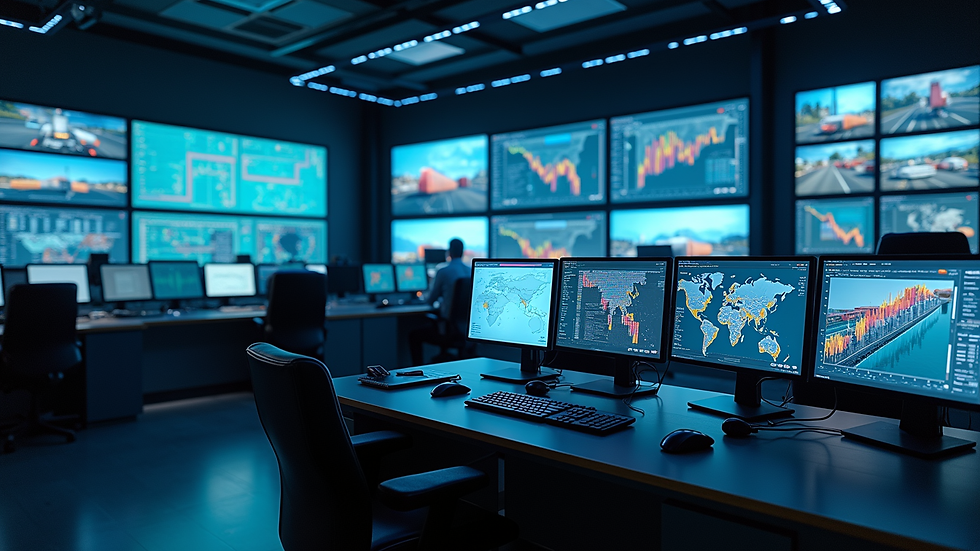
Logistics teams use real-time tracking screens to monitor shipments and respond quickly to changes.
What Real-Time Visibility Means for Us
Real-time visibility changes how we work in freight. It gives us the power to see clearly through the complexity of supply chains. This clarity helps us act faster, plan better, and keep customers happy.
By using tools like Amous TMS and FleetTrack Pro, we can build a more connected and efficient freight network. These systems support our goal to improve operations with technology and strong support.
If you want to stay competitive and meet the demands of today’s logistics environment, real-time visibility is the key. It’s not just about tracking shipments; it’s about gaining control and confidence in every step of the journey.
Take the next step by exploring real-time visibility solutions that fit your needs. The future of freight depends on how well we can see and respond in the moment. Let’s move forward with clear vision and strong tools.


Comments